

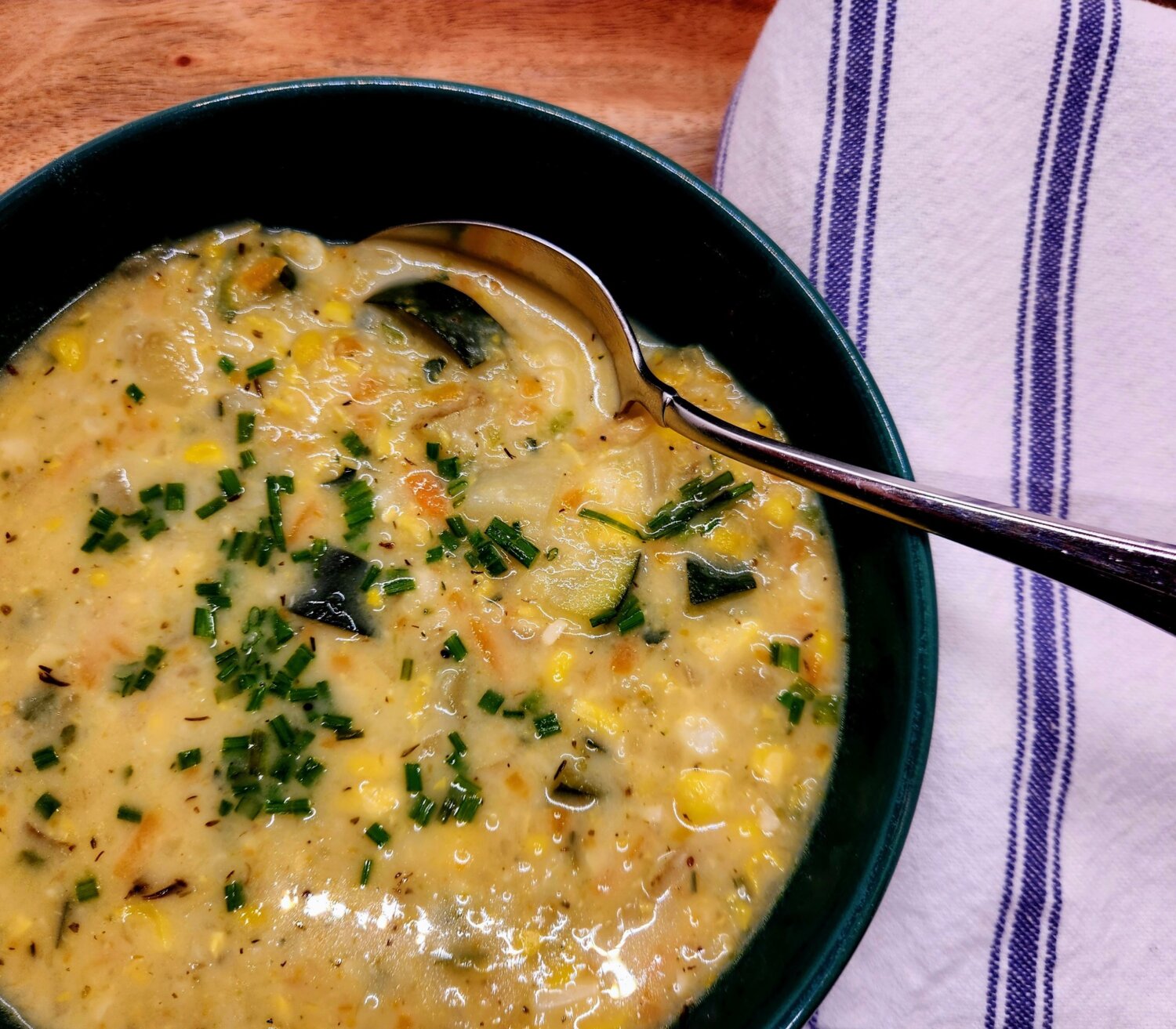


I’ve always thought of squash as a vegetable, only recently learning that squashes are actually fruits because they grow on vines and have seeds inside. Whether it be fruit or vegetable makes no difference to me, however. I just know that it is one of my favorites and fortunately, is plentiful this time of year.
I don’t really remember eating that much squash as a child, if at all. I don’t know if we didn’t have it in our home or if I was just picky and shied away from it. Nonetheless, as an adult, I’ve more than made up for lost time. I can’t get enough of it.
In preparation for this column, I did a deep dive on the Internet to learn a little more. First of all, as most of us already know, there are summer squash and winter squash.
Summer squash are squashes that are harvested when immature, while the rind is still tender and edible. Most summer squashes are varieties of Cucurbita pepo though some are Cucurbita moschata. Most summer squash have a bushy growth habit, unlike the rambling vines of many winter squashes.
Winter squash is an annual fruit representing several squash species within the genus Cucurbita. They are late-growing, less symmetrical, odd-shaped, rough or warty varieties, small to medium in size, but with long-keeping qualities and hard rinds. They differ from summer squash in that they are harvested and eaten in the mature stage when their seeds within have matured fully and their skin has hardened into a tough rind. At this stage, most varieties of this vegetable can be stored for use during the winter. Winter squash is generally cooked before being eaten, and the skin or rind is not usually eaten as it is with summer squash.
Summer squashes include the Cucurbita pepo varieties: crookneck squash, gem squash, kamokamo, pattypan squash, straightneck squash, zucchini (courgette) and marrow, respectively immature and mature fruits of the same variety of Cucurbita pepo. Other summer squashes include the Cucurbita moschata varieties: aehobak and tromboncino or zucchetta.
As for summer squash, my own experience is primarily with crookneck squash (yellow squash) and zucchini. Though not exactly the same, they are closely related and also interchangeable in most recipes. I was recently given some pattypan squash that I am looking forward to trying.
In my experience, summer squash are very forgiving and basically a blank canvas conducive to a variety of preparations be it roasting, grilling, sautéing, steaming, frying, pickling, boiling or even enjoying raw.
The two ways I prepare them most frequently – because both ways are quick and easy – are to chop and sauté them with some onion, fresh garlic and salt and pepper in a little butter and olive oil on the stovetop or to chop them and roast them with some onion on a foil-lined sheet pan with some olive oil, salt and pepper. Today I’m sharing a few other ways to enjoy summer squash. I think you’ll like them.


