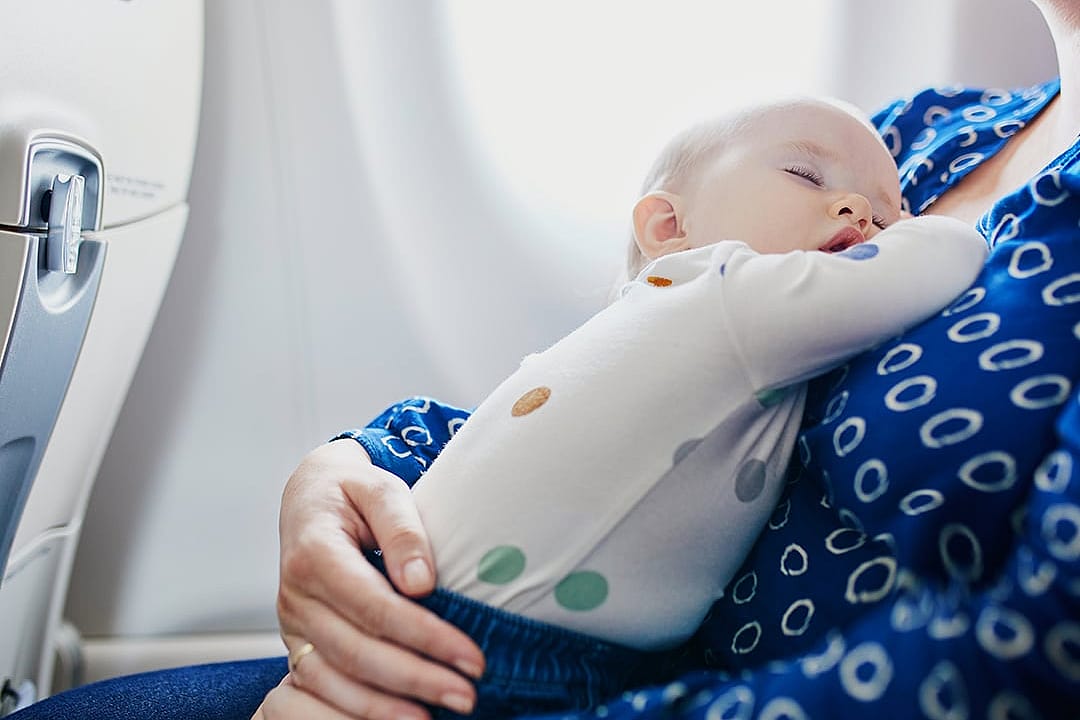

Your baby's first holiday season brings plenty of reasons to celebrate, from introducing them to loved ones to sharing family traditions. But if you're traveling, there's a lot to think about: packing and transporting all that baby gear, navigating the airport or planning road trip stops, and figuring out when you'll breastfeed or pump along the way.
After all, feeding needs don't take a holiday. Here's a guide from Aeroflow Breastpumps on how to prepare for the practical details so you can spend less time worrying and more time enjoying these special moments with your baby, even when things don't go exactly as planned.
Before you start packing, take some time to think through your trip. Your plans will look different depending on whether you're flying or driving, how long you'll be away, and whether you're traveling with expressed breast milk.
Know Your Itinerary
If you're flying, review your departure and arrival times, length of layovers, and connecting flight details. If you're driving, estimate your time on the road and identify potential stops along the way. Remember that traveling with a baby may take longer than expected, so allow extra time when planning your schedule.
Check Airline Policies
When booking your tickets, consider whether your baby will travel as a lap infant or have their own seat. Check the airline's policies for traveling with an infant, including baggage allowances and gate-checking a stroller or car seat. If your baby will have their own seat, confirm that your car seat is approved for use on an aircraft.
Decide Where You’ll Feed or Pump
Check airport websites for lactation rooms or other designated spaces where you can breastfeed or pump comfortably. For a road trip, identify convenient places to stop along your route. Knowing your options ahead of time can make it easier to plan feeding and pumping breaks.
Think About Your Usual Routine
Your baby may feed differently while you're traveling. New surroundings, busy airports, and changes to your usual routine can all affect when your baby wants to breastfeed. Think of your itinerary as a guide, not a strict schedule.
Most importantly, build in flexibility. Traffic, delayed flights, long security lines, and unexpected diaper changes can affect your timing.
Packing thoughtfully can help you avoid scrambling for supplies when your baby is hungry, or it's time to pump. If you're flying, keep your feeding and pumping essentials in your personal item, under the seat in front of you rather than in the overhead bin, so they're easy to reach. Separate pouches for pump parts, cleaning supplies, and milk storage items can make everything easier to find.
Your packing list may include:
Travel can throw off your usual breastfeeding or pumping routine. New surroundings, time zone changes, and unexpected delays may affect your baby’s feeding and nap patterns or your opportunities to pump. A few adjustments can help you maintain regular milk removal without expecting everything to go according to plan.
The goal isn't to follow your usual routine perfectly, but to find what works for you and your baby while you're away from home.
Airport security can feel like one more thing to manage on a busy travel day, but knowing the rules ahead of time can help you and your baby move through the process more smoothly.
In the United States, the Transportation Security Administration (TSA) allows breast milk and formula in quantities greater than the usual 3.4-ounce liquid limit. You can bring these items through security whether or not your baby is traveling with you. Ice packs, freezer packs, and gel packs are also permitted, even if they're partially or completely thawed.
When you reach security, let the TSA officer know you're carrying breast milk, formula, or related cooling supplies. Screening may take a little longer, so allowing extra time can help you avoid feeling rushed.
Your electric breast pump and accessories can also go through security. Keep in mind that TSA guidelines cover security screening, while airlines set their own baggage policies. Before leaving home, check your airline's baggage policies to find out how your breast pump, cooler, stroller, and car seat count toward your carry-on and checked baggage allowances.
Flying with a baby can be an adventure in itself. A little planning can help you navigate the airport and flight while continuing to meet your baby’s needs.
Look for Lactation Spaces
Many airports have dedicated lactation pods or rooms where you can breastfeed or pump in a more private setting. Check your departure and connecting airports ahead of time, and note where these spaces are located. If your layover is too short to stop, you may find it easier to breastfeed or pump before landing or after boarding your next flight.
Feed During Takeoff and Landing
Changes in cabin pressure can be uncomfortable for some babies. Breastfeeding, bottle-feeding expressed milk, or offering a pacifier during takeoff and landing may help your baby with ear pain and pressure changes.
Make Yourself Comfortable
If you prefer additional privacy while breastfeeding or pumping, you might choose a window seat or use a nursing cover. If you're traveling with a partner, they may be able to sit in the middle seat to provide a little extra personal space.
Plan for Pumping
If you'll need to pump during the flight, consider whether your pump is battery-operated or requires access to power. A hands-free or wearable pump may offer added convenience, but make sure its battery will last as long as you need it to. Electrical outlets may be available at your seat, but this varies by aircraft.
Plan for Potential Flight Delays
Flight delays and cancellations can disrupt even the best-laid plans. Keep your pump, milk storage supplies, and essential items in your carry-on rather than checked luggage, so they're accessible if your plans change.
Road trips offer a different kind of flexibility. They give you a little more control over when to stop and how much to pack, but long stretches on the road can still take some planning.
Map Out Potential Stops
Identify rest areas, travel centers, or other convenient places along your route where you can take a break. Thinking through a few potential stops ahead of time can make feeding and pumping breaks easier to manage.
Feed Your Baby Safely
If your baby needs to breastfeed, pull over and park somewhere safe before taking them out of their car seat. Never unbuckle or remove your baby from their car seat while the vehicle is moving, even if they're crying or hungry. Plan time for feeding, diaper changes, bathroom breaks, and meals for the parents, too.
Pump in the Car
If you're a passenger, you may find it convenient to pump while the vehicle is moving, provided you can do so safely and comfortably. A battery-operated pump or appropriate power adapter may be helpful. If you're driving, don't attempt to pump while operating the vehicle. Pull over and park first.
Allow for the Unexpected
Holiday traffic, winter weather, and road closures can add hours to a trip. Pack extra milk storage containers and cleaning supplies, along with enough food and plenty of water in case you need to spend longer on the road than planned.
According to the CDC's breast milk storage and handling guidelines, freshly expressed milk can be stored at room temperature of 77 F or cooler for up to four hours, in the refrigerator for up to four days, or in the freezer for about six months for best quality. These guidelines apply to healthy, full-term infants; families with premature or medically vulnerable babies may need individualized guidance.
When you reach your destination, transfer your milk to a refrigerator or freezer as soon as practical. If you're staying with family, consider asking ahead of time about refrigerator space, so you have one less thing to figure out when you arrive.
Before you head out for the holidays, here's a quick checklist to help you feel prepared for feeding and pumping on the go.
Your first holiday trip as a nursing mom may come with a few extra stops, feeding breaks, and moments when things don't go exactly as planned. A little preparation and flexibility can make breastfeeding, pumping, and caring for your baby a lot less stressful.
Whether you're introducing your baby to relatives for the first time, sharing a holiday meal with extended family, or enjoying a quiet celebration away from home, continuing to breastfeed or offer expressed milk can be one familiar part of your routine. Amid the busy travel days and holiday festivities, make time to enjoy the season and these special moments with your baby.
Here's to a wonderful first holiday season together.
This story was produced by Aeroflow Breastpumps and reviewed and distributed by Stacker.