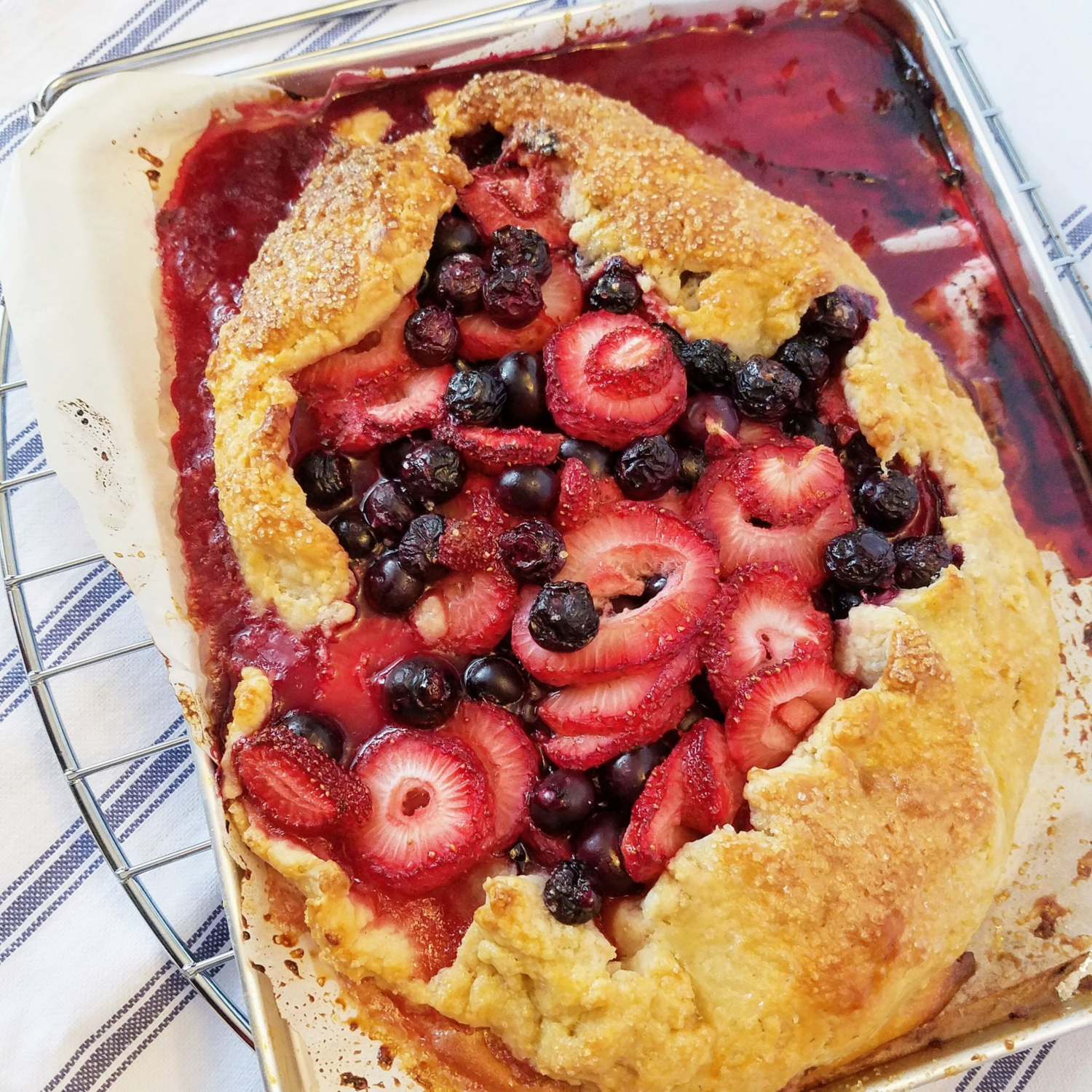




As we near July 4th, it’s always fun to think of the various red, white and blue dishes we can come up with. A couple that I have made over the years are “Any-Kind-Of-Fruit Galette” and “Lemon-Berry Sheet Pan Trifle.” These both are beautiful to look at, in addition to being filled with flavor.
One summer years ago I made two different versions of homemade popsicles. I found the recipes in an article called “Easy Homemade Popsicles” at iheartnaptime.net.
“The beauty of this recipe is that there are so many different flavor combinations that taste delicious,” Author Jamielyn Nye wrote. “Start by choosing your favorite fruit and blend it into a purée. Then use a mixture of Greek yogurt and honey for the creamy base. Then layer the fruit and yogurt into the molds.”
I’m all about the berries during summer time, so I naturally gravitated toward the ones with berries. In one you choose your favorite berries, add vanilla Greek yogurt and honey. In the other, you leave out the Greek yogurt and just slice the fruit instead of puréeing it. You then mix together coconut water and honey and pour into the molds over the fruit and freeze. Because the coconut water is clear, you’re able to see the different colors of sliced fruit through the popsicles. The clear ones are pretty to look at, but we liked the ones better with the puréed fruit. They’re a cool, refreshing guilt-free snack.
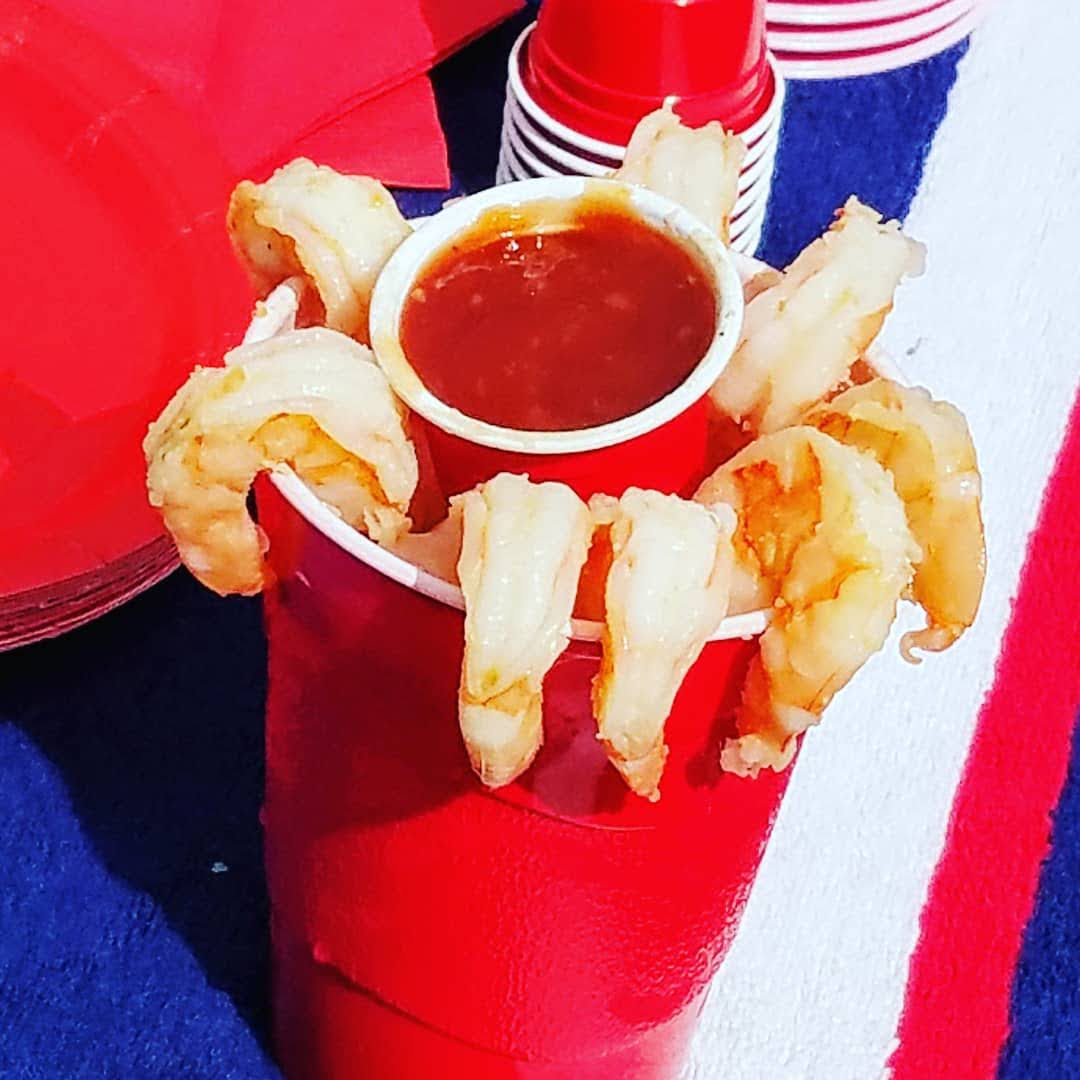
Other things I’ve previously prepared for July 4th celebrations include snack boards and cold boiled shrimp. I just selected an array of fresh fruit – red and blue in color – including strawberries, cherries, grapes and blackberries. Then I picked up a couple of different white cheeses, pepper jack and gouda, some multi-grain crackers and some roasted salted almonds. I served the cold boiled shrimp with cocktail sauce. These are just a few ideas. Whatever you choose, enjoy your July 4th!
From smittenkitchen.com
Crust:
Filling:
To Finish:
Make the pastry:
Combine the flour, sugar and salt in a large bowl. Sprinkle butter over dough and using a pastry blender or your fingertips, work it into the flour until the mixture resembles small peas. Sprinkle sour cream and 3 tablespoons water over mixture and stir/mash it together to combine; it should form large clumps; add last tablespoon water if it does not. Use your hands to bring it together into a single mass. Transfer dough to a large square of parchment paper, patting it into a flatter packet and wrap it tightly. Chill it in the fridge until firm, 1 to 2 hours or up to 4 days. You can hasten the firming process along in the freezer, for about 20 minutes.
Make filling:
Combine fruit, salt, citrus juice (if using), sugar and starch in a medium bowl and set aside.
Assemble galette:
Heat oven to 400 degrees and flatten the parchment paper that you wrapped your dough in on a large baking sheet. On a floured counter, roll the dough out into a large round-ish shape, about 14 inches across. Gently transfer it to the parchment paper in the pan. Spoon fruit filling and any juices that have collected into center, leaving a 2- to 3-inch border uncovered. Fold this border over fruit, pleating the edge to make it fit. The center will be open. For a darker, glossier crust, beat egg with 1 teaspoon of water and brush it over the crust. Sprinkle it all over with turbinado or coarse sugar.
Bake galette:
For 30 to 35 minutes, or golden all over and the fruit is bubbling and juicy. Cool for at least 20 minutes on a wire rack. Serve warm or at room temperature.
Do ahead:
Fruit galettes keep at room temperature for a few days and up to a week in the fridge.
Note:
This recipe is abundantly flexible.
Fruit: Use whatever fruit you like to bake with.
Flavors: Use another kind of citrus or none at all; you could add zest or vanilla to the crust. You could slick the bottom of the crust with jam or marzipan.
Flour: Replace ½ cup of the all-purpose flour with whole wheat or rye flour.
Sweetness: The filling is lightly sweetened; you can add up to 3 more tablespoons sugar without putting it over-the-top. For an even less-sweet galette, you could replace the sugar on the crust with poppy or sesame seeds.
Thickeners: Tapioca flour or starch is the favorite of the author’s for a clear, unchalky set. If you don’t have it, use an equal amount of cornstarch. Different kinds of fruit have different pectin levels, and might need more or less thickener. For apples or blueberries, use ½ tablespoon, level. For peaches or fresh cherries, use 1 tablespoon. For strawberries, blackberries, raspberries and rhubarb, use 1 ½ tablespoons.
From purewow.com
Meringue:
Topping:
Make the meringue:
Preheat the oven to 275 degrees. Line two baking sheets with parchment.
In the bowl of an electric mixer fitted with the whip attachment, whip the egg whites and cream of tartar on low speed until foamy, about 2 minutes.
Raise the speed to medium and gradually add the sugar, whipping to stiff peaks, 7 to 8 minutes. Do not over whip; the egg whites should look soft and smooth, not clumpy or dry.
Add the vanilla extract and mix to combine. Using two spoons, dollop mounds of meringue onto the prepared baking sheets. The meringue scoops should be about a heaping ¼ cup, but you don’t need to be precise. Leave at least 1½ inches between each dollop.
Transfer the baking sheets to the oven and reduce the temperature to 225 degrees. Bake until the meringues are firm and set, about 1 hour and 15 minutes. Turn off the oven and leave the meringues to cool completely (and continue drying), another 2 hours.
Carefully remove the meringues from the parchment and place them on a baking sheet.
Make the topping:
In the bowl of the electric mixer, whip the cream, confectioners’ sugar and vanilla extract to medium peaks.
In a medium bowl, toss the strawberries, raspberries, blackberries and blueberries with the sugar, lemon juice and zest to combine. Let sit for 10 minutes.
To serve, dollop the cream topping all over the meringues. Arrange the berries in an even layer, garnish with more lemon zest and serve immediately.