

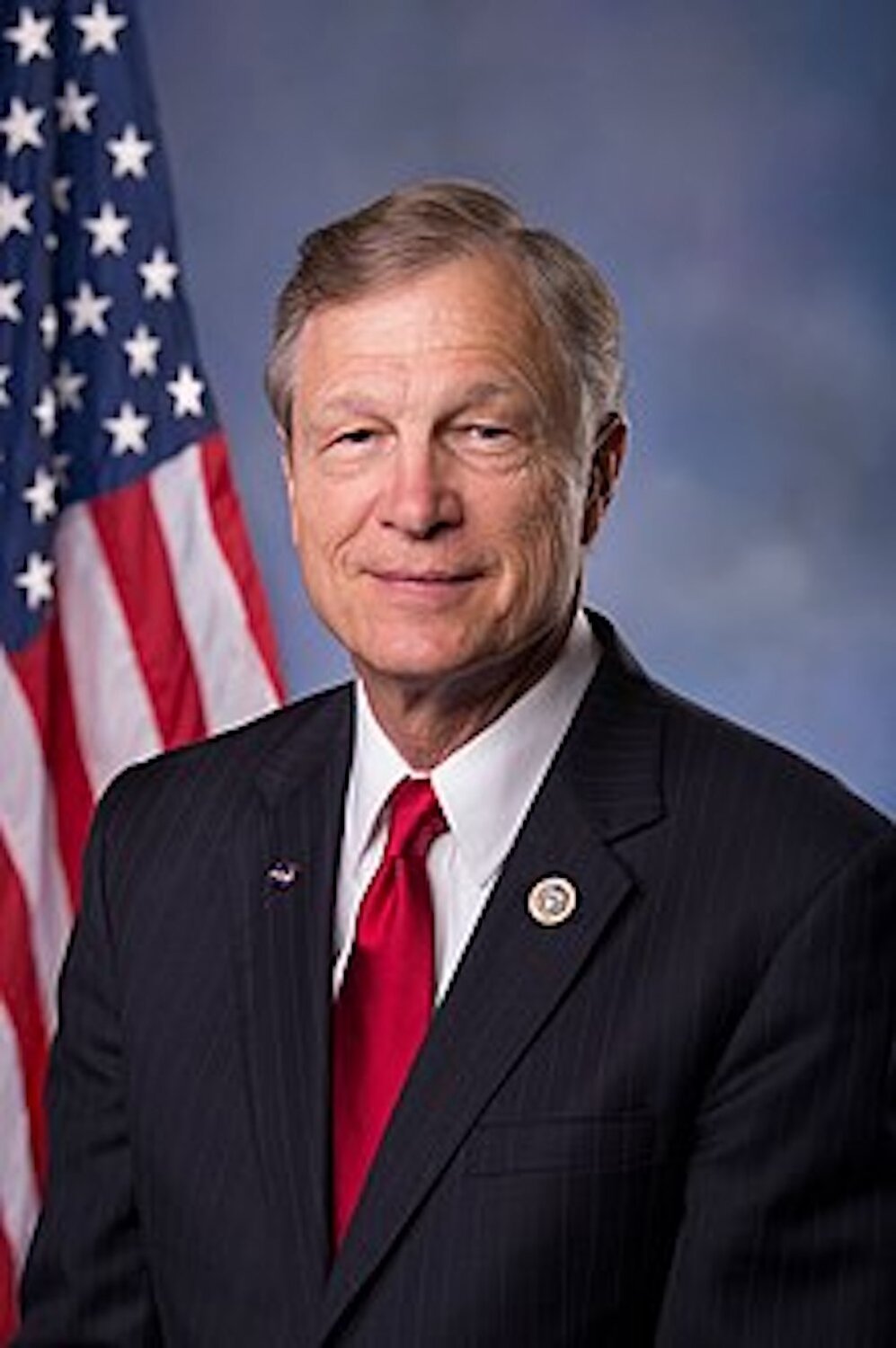
WASHINGTON, D.C. – Rep. Brian Babin (R-Woodville) voted in favor of President Donald Trump’s legislative package known as “One Big Beautiful Bill” last week.
The bill passed the House of Representatives with a razor-thin 215-214 vote, with two House Republicans voting with House Democrats against the bill. The sweeping tax and governmental spending bill was voted on last Thursday, and headed to the Senate, which will approve of it or change provisions within before it can reach Trump to be signed into law.
“President Trump promised to fight for working Americans, and this bill proves he’s delivering,” Rep. Babin.
Babin claimed the bill will put more money in the pockets of families, as well as loosening regulations on small businesses.
“This is exactly the kind of leadership our country has been waiting for. For the past four years, American families have been squeezed by out-of-control inflation, reckless spending, and open border chaos. This bill is a major step in reversing the damage and returning power to the people,” he said.
Leading up to the bill’s House passage, several points of the 1,000 page-plus piece of legislation faced criticism, and continue to do so in the Senate.
One campaign promise Trump made was to eliminate taxes on Social Security income, which was not included in the iteration of the bill, which passed, however, it did temporarily increase the standard tax deduction of up to $4,000 for taxpayers aged 65 and up, from 2025 to 2028.
Another aspect of the bill that has faced scrutiny is the cuts to the nation’s Medicaid program, which includes new work requirements for childless adults without disabilities in the bill’s provisions. Those individuals on the program would be required to work at least 80 hours per month, if the bill passes into law, as written.
Kentucky Rep. Thomas Massie, who was one of the two Republicans to vote “nay” on the bill called it a “debt bomb ticking,” and warned that it would “dramatically increase deficits in the near term.”
The Congressional Budget Office published figures that show an increase in the federal spending deficit of $3.8 trillion for a period of 2026-2034, figures which Speaker of the House Mike Johnson said were “dramatically overstated” on an interview with CNN; claiming that the CBO’s figures do not account for growth.


